Gina Lollabrigida brings the "Espresso Bar" to London
Blog post description.
9/28/20252 min read
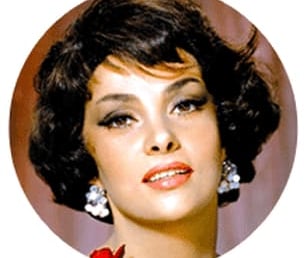
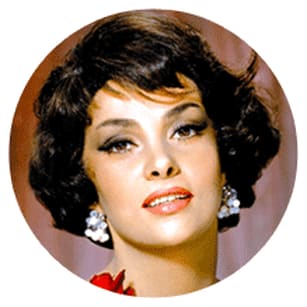
The legend goes that when Gina Lollobrigida was Europe's hottest new starlet, she brought something to emerging Swinging London of the early 1950s, that no one could have imagined. Something that seemed to have little to do with her rising status as international sex symbol. That "something" was the world's first "Espresso Bar."
The espresso bar became an "overnight cultural sensation" in London, and seemed to spawn an entirely new "scene."
A scene that, in turn, gave us the Beatles.
And the Beatles, as we know now, changed the world.
We may be on the other side of the second or third wave of coffee being "cool," now that McDonalds has a McCafe, but when Hip was still in it's creation phase, one of the Postwar icons of European Pop Culture used some of the cash she was earning from displaying her talents on big screens across the globe, to open a cafe in Soho, featuring coffee machines that were dazzling new Italian inventions. The place was called the "Moka Bar." The year was 1953.
Or was it really opened by an Italian dental supply salesman named Pino Riservato?
Who had a relative who worked at Gaggia?
Which meant Lollabrigida's "ownership" was a merely a publicity stunt, and all these years later just an urban legend?
It seems there is some historic dispute.
So we're going with Gina.
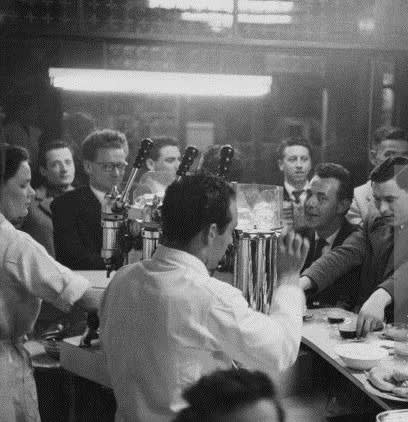
The Moka Bar was the first place in London to feature the new and insanely cool Gaggia lever espresso machines.
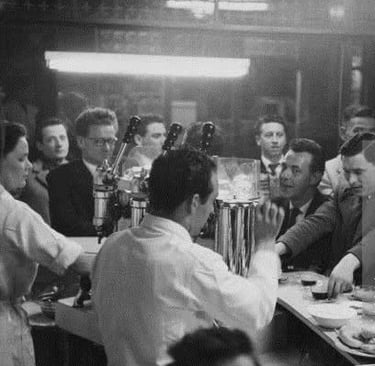
It was reportedly serving a thousand espressos a day before long. A 100,000 cappuccinos a year! Thanks to the romantic Italian vibe, the Gaggia's atmospheric blasts of steam filling the room, relentless gurgling and hissing that made excited crowds talk over the noise, and the kinetic energy of formally dressed Baristas pulling levers, taking orders, and juggling hot cups of espresso, it began a craze. The Moka Bar set off an explosion of imitators, with some 500 espresso bars in London alone, by 1960.
One of those, the "2 i's" coffee bar, became known as the birthplace of British rock n roll, because of it's famous downstairs music venue.
Another legendary spot, the Le Macabre, featured candles on skulls, devil mask wall sconces with red light bulb "eyes," and a table made out of a coffin.
With the Baby Boom well underway, and roaming hordes of kids too young to drink alcohol, espresso bars became the hub of the emerging Post War youth scene in London.
Espresso bars were places even a teenager could hang out til late at night, pretending to be part of the "smart set," listening to the latest music on jukeboxes, or increasingly, watching it happen live with small groups of new young musicians crammed into basements.
A couple of youngsters named John Lennon and Paul McCartney, inspired by the burgeoning espresso bar "skiffle music" scene, formed their own band. As teens they snuck down from Liverpool to see it in person.
What small clubs in 20s/30s NYC were to the future of Jazz, coffee bars in Soho turned out to be for the future of British Rock.
So did the Beatles really change Post War culture around the Earth?
Or did Gina?
(Or should we thank the forgotten dental salesman?)
Perhaps what really changed the world, was the Gaggia lever espresso machine.
Vintage and Custom Espresso Gear Bought and Sold. Restorations and Repairs by appt.
© 2026 All rights reserved.
The Mission
San Francisco
415-385-2124
dan@leverunderground.com